Dengue is a sickness spread by mosquitoes. It is now more common than ever. In 2024, more than 14 million people got dengue, which is the highest number ever recorded.
How does dengue spread?
The dengue mosquito bites in the daytime. It lays its eggs in small amounts of clean water: pots, tyres, buckets and flower vases.
Signs of dengue
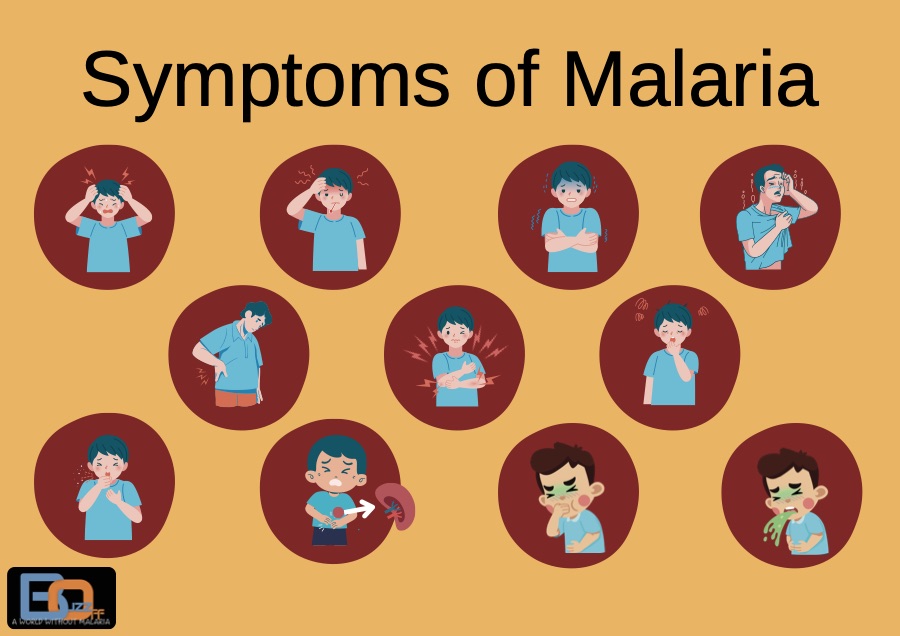
High fever, bad headache, pain behind the eyes, pain in the muscles and joints, feeling sick, and a rash.
Danger signs: go to a clinic NOW
These often come after the fever goes away:
- strong pain in the stomach
- vomiting again and again
- bleeding from the gums or nose
- fast breathing
- feeling very tired or restless
Care at home
Rest and drink lots of water. Paracetamol can help pain and fever. Do not take ibuprofen or aspirin. They can cause bleeding.
How to stop dengue
- Every week, empty, cover or clean anything that holds water.
- Wear long sleeves in the day.
- Use insect repellent (cream or spray that keeps mosquitoes away).
Some countries now have a dengue vaccine. Ask your health worker.
Read more: our Dengue Fever page
Watch: Episode 17, Other Mosquito-Borne Illnesses → See the free series
Sources: WHO Dengue fact sheet (2025)
This article gives general information only. Always follow a health worker’s advice.