There are thousands of kinds of mosquito. But three kinds spread most of the sickness in the world: Anopheles, Aedes and Culex. Each one bites at a different time, lays its eggs in a different place, and spreads different diseases. When you know which mosquito you are fighting, you know how to stop it.
Only female mosquitoes bite. They need blood to make their eggs. When a mosquito bites a sick person, it can pick up the germ. Then it passes the germ to the next person it bites.
The three types of mosquito at a glance
| Malaria mosquito Anopheles |
Dengue mosquito Aedes |
Filariasis mosquito (mostly Culex) |
|
|---|---|---|---|
| Main diseases | Malaria | Dengue, Zika, chikungunya, yellow fever | Lymphatic filariasis (swollen legs), Japanese encephalitis, West Nile fever |
| When it bites | At night, from evening to early morning | In the day, most in the early morning and late afternoon | In the evening and at night |
| Where it lays eggs | Clean pools, puddles, rice fields, the edges of streams | Small containers near houses: pots, tyres, buckets, flower vases | Dirty water: blocked drains, toilet pits, septic tanks |
| How it looks | Brown. Sits with its tail up in the air | Black, with white stripes on its legs | Plain brown. Sits flat |
| Best protection | Treated net every night, spraying inside houses | Empty water containers every week, repellent, long clothes | Clean drains, nets at night, yearly medicine for the community |
Mosquitoes are small, so it is often hard to tell them apart. The time it bites and the water it grows in are the best clues.
1. The malaria mosquito (Anopheles)
What it spreads: malaria. Malaria is a germ (parasite) that lives in the blood. In 2024, about 282 million people got malaria and about 610,000 people died. Most of them were young children in Africa.
Signs of malaria: fever, shaking and feeling cold, sweating, headache, body pain and vomiting. Malaria can kill in a few days, so test every fever. Malaria medicine works well when it is taken early.
How it lives:
- It bites at night, when people are sleeping.
- It lays its eggs in clean, still water: puddles, rice fields, footprints and the edges of streams.
- When it rests, its body points up at an angle, with its tail in the air.
How to stop it:
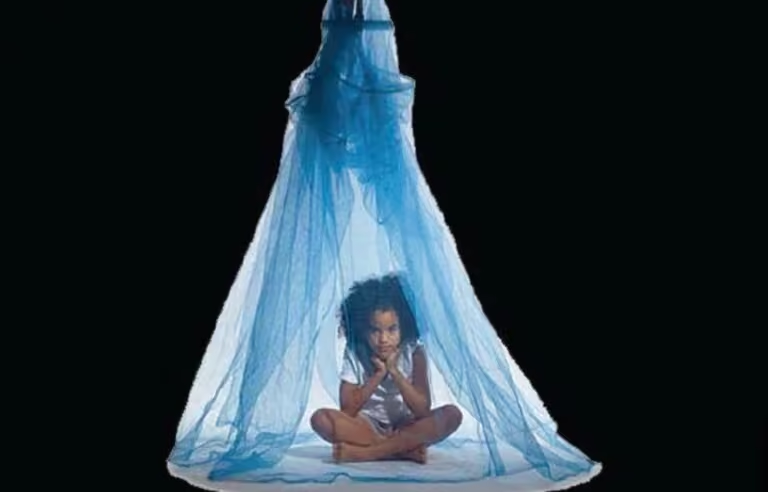
- Sleep under a treated mosquito net every night. This is the best protection.
- Spray the inside walls of houses, where health programs do this.
- In some African countries, young children can now get a new malaria vaccine. It shows promise, but it is not yet proven. Nets are still the most important.
2. The dengue mosquito (Aedes)
What it spreads: dengue, Zika, chikungunya and yellow fever. These are all viruses. Dengue is now more common than ever. In 2024, more than 14 million cases were reported.
Signs of dengue: high fever, bad headache, pain behind the eyes, pain in the muscles and joints, and a rash. Most people get better in about a week.
Danger signs: strong stomach pain, vomiting many times, bleeding from the gums or nose, or feeling very tired or restless. Go to a hospital quickly. For pain and fever, use paracetamol. Do not use aspirin or ibuprofen, because they can make bleeding worse.
How it lives:
- It bites in the daytime, inside and outside the house.
- It lays its eggs in small amounts of water near houses: pots, buckets, old tyres, flower vases, plant dishes and rubbish that holds rain.
- Its eggs can stay alive for months on a dry container. When rain comes, they hatch.
- It is black with white stripes on its legs and body.
How to stop it:
- Every week, empty, scrub or cover all containers that hold water.
- Use mosquito repellent and wear long sleeves and long trousers in the day.
- Babies and sick people who sleep in the day should sleep under a net.
- Some countries have a dengue vaccine for children. There is a good vaccine for yellow fever.
Learn more about dengue · Zika: the facts
3. The filariasis mosquito (mostly Culex)
What it spreads: lymphatic filariasis. This sickness is caused by very small worms. After many bites over many years, the worms block the body’s lymph system. This can make the legs, arms or breasts very swollen, or make the scrotum swollen. About 657 million people still need medicine to prevent it.
Culex also spreads Japanese encephalitis in Asia and West Nile fever. These viruses can harm the brain. There is a vaccine for Japanese encephalitis.
How it lives:
- It bites in the evening and at night.
- It lays its eggs in dirty water: blocked drains, toilet pits, septic tanks and water with rubbish in it.
- It is a plain brown mosquito and rests flat.
How to stop it:
- Keep drains clear and flowing. Cover toilet pits and septic tanks.
- Sleep under a net.
- When the health program gives filariasis medicine to the whole community, everyone should take it. It is usually once a year.
- If someone already has a swollen leg, wash it every day with soap and clean water. This stops painful infections.
In some parts of Africa, the malaria mosquito (Anopheles) spreads filariasis too. So a net protects you from both.
Learn more about lymphatic filariasis
Remember
- Night biters (malaria and filariasis mosquitoes): sleep under a treated net every night.
- Day biters (dengue mosquito): empty water containers every week and cover your skin.
- No standing water means no mosquitoes. Clean water, small containers or dirty drains: check them all every week.
- Any fever can be serious. See a health worker and get tested.
Read more: Learn: Mosquitoes · Five ways to stop mosquitoes breeding around your home · Treated mosquito nets (LLINs) · What to do when someone has a fever
Watch: Episode 2, Mosquitoes → See the free series
Help stop mosquito diseases: Donate
Sources: WHO fact sheet: Vector-borne diseases; WHO fact sheet: Malaria; WHO fact sheet: Dengue and severe dengue; WHO fact sheet: Lymphatic filariasis; CDC: Mosquitoes.
This article gives general information only. Always follow a health worker’s advice.